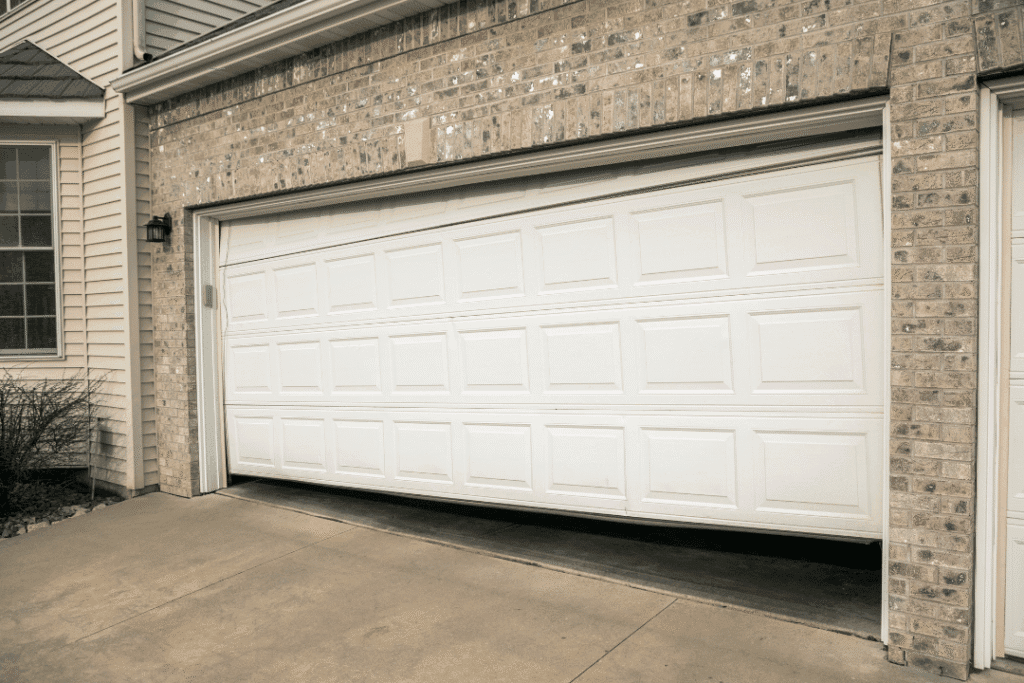
Quick answer: Garage door technicians most commonly wish homeowners knew to avoid DIY spring repairs, lubricate moving parts every six months with silicone spray, test safety sensors regularly, and call a professional at the first sign of trouble rather than waiting until the damage becomes costly or dangerous.
Your garage door is one of the hardest-working parts of your home. It opens and closes thousands of times a year, often without a second thought, until something goes wrong.
When it does go wrong, many homeowners reach for a YouTube tutorial instead of the phone.
And that’s exactly what garage door technicians wish they wouldn’t do.
After over 30 years of repairing, installing, and automating garage doors across Gauteng and the Garden Route, the team at Adams Doors has seen it all.
Here are the seven things we wish every homeowner knew.
7 Things Garage Door Technicians Wish Homeowners Knew
1. Never attempt a spring repair yourself
This is the big one. Garage door torsion springs store an enormous amount of tension (enough to cause a serious injury if released incorrectly). A standard garage door weighs over 45kg, and the springs are what make it feel light. When a spring snaps, that weight becomes out of control.
Garage door technicians see spring-related injuries more often than you’d think.
Leave this one strictly to the professionals.
2. WD-40 is not a lubricant. Use silicone spray
WD-40 is a water displacer, not a lubricant. Spraying it on your hinges, rollers, and tracks might seem helpful, but it actually attracts dust and grime, causing more wear over time.
A silicone-based spray is what garage door technicians recommend for all moving parts. It keeps things running smoothly without the build-up.
3. Your door needs a service every six months to 12 months
Most homeowners only call for garage door repairs when something breaks. By that point, the damage is often more extensive and more expensive than it needed to be.
Scheduling an affordable garage door service every six to twelve months lets a technician catch worn rollers, loose bolts, and fraying cables before they become real problems.
4. Strange noises are not normal
Grinding, scraping, or popping sounds are your garage door’s way of telling you something is off.
These noises often point to misaligned tracks, worn components, or spring strain. A door that was quiet last month and loud this month needs attention.
Don’t let it go.
5. Frayed cables need a professional immediately
The cables on your garage door carry serious tension and work alongside the springs to control the door’s weight.
If you spot fraying, looseness, or visible wear on the cables, stop using the door and call a garage door technician near you.
Snapped cables can cause the door to drop without warning.
6. Test your auto-reverse sensor regularly
Your garage door’s auto-reverse feature is a critical safety mechanism. To test it, place a piece of wood flat on the ground beneath the door and close it. The door should reverse automatically on contact. If it doesn’t, the sensor needs professional attention.
This test takes 30 seconds and could prevent a serious accident.
7. A garage door battery backup is worth having
Load shedding is a reality across South Africa. Without a garage door battery backup, a power outage means a manually operated door or no access at all.
Garage door automation systems with battery backup keep your door operating during outages, which is especially important for security late at night.
Adams Doors | Garage Door Technicians in Gauteng and the Garden Route
Adams Doors supplies, installs, automates, and repairs garage doors and gate systems across Gauteng and the Garden Route. With over 30 years of experience, the Adams Doors team has worked on every type of garage door and automation system imaginable.
Services include:
- Garage door repairs and maintenance: from broken springs to worn rollers and frayed cables
- Garage door automation: smart, convenient access with battery backup options
- New garage door installation: wooden, glass, aluminium, steel, and roll-up options
- Gate automation: secure, automated access for your driveway
What sets Adams Doors apart is straightforward: reliable service, honest advice, and workmanship you can trust. Competitive pricing helps, too.
Ready to book a service or get a new door installed?
Request a quote from Adams Doors today.
Frequently Asked Questions
1. What should I do if my garage door makes a loud bang?
A loud bang from your garage almost always means a spring has snapped. Stop using the door immediately and call a garage door technician. Without the spring, the door’s full weight is unsupported, which makes it unsafe to operate and risks burning out the motor.
2. How often should I have my garage door serviced?
Garage door technicians recommend a professional service every six months. Regular maintenance catches wear early, extends the lifespan of your door and motor, and prevents costly emergency repairs.
3. Is garage door automation worth it for South African homeowners?
Yes, particularly because of load shedding. A garage door automation system with a battery backup ensures your door continues to function during power outages. It also adds convenience and improves security, especially for families arriving home after dark.
4. Can I oil my garage door myself?
You can lubricate hinges, rollers, and tracks yourself using a silicone-based spray. Avoid WD-40, as it attracts dirt and degrades moving parts over time. For anything beyond basic lubrication, such as springs, cables, or track alignment, contact a qualified garage door technician.